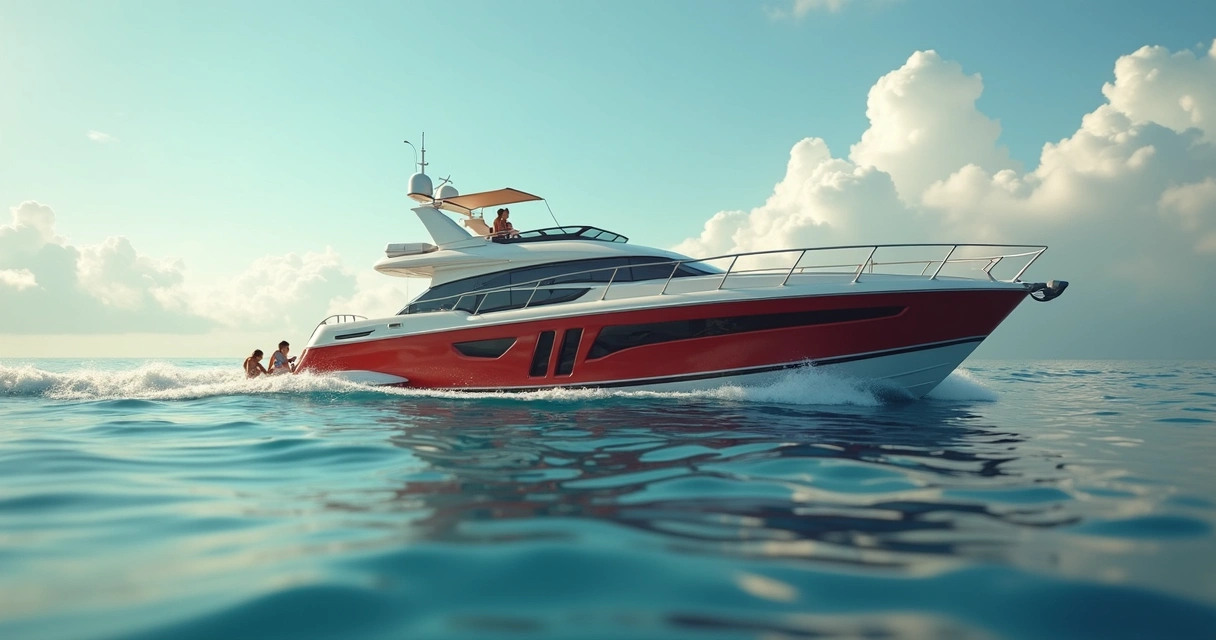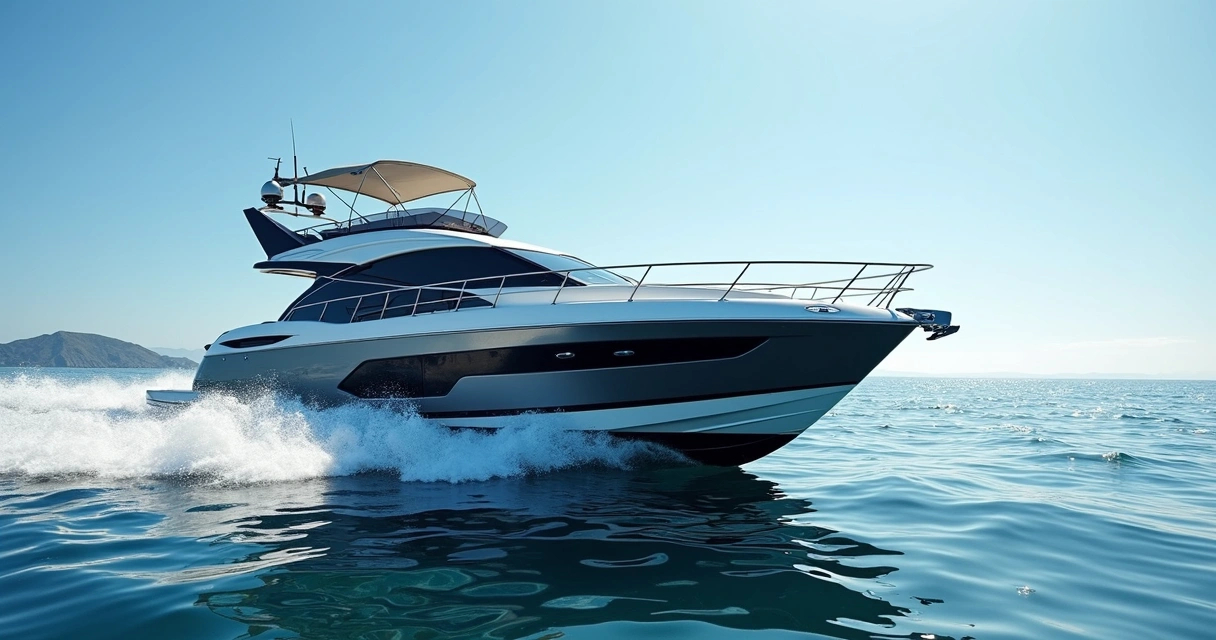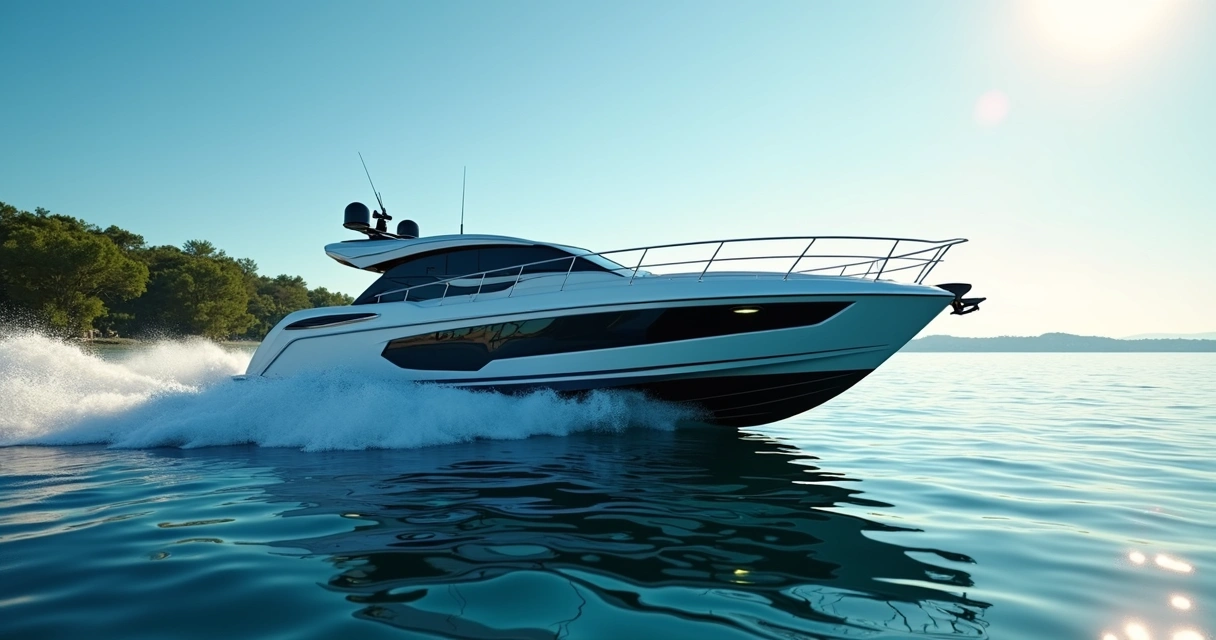
There is something unforgettable about setting out on the water. The engine’s gentle hum. The horizon opening. But the best days at sea with a premium yacht, like a Granfort, rely as much on routine care as they do on engineering. Preventive maintenance ensures not only smooth journeys but also peace of mind far from the shore. For boat owners who want every adventure to feel effortless, this guide is an invitation: treat maintenance not as a chore, but as the hidden code of confidence.
What makes maintenance more than a checklist
Even the finest boats—solid fiberglass, gleaming steel, luxurious upholstery—need regular attention. Preventive maintenance isn’t just about fixing obvious problems. It’s preserving the joy of every outing. Some of us learn that the hard way. The irritation of a stalled engine on the first day of vacation is enough to make anyone a believer in prevention.
This is especially true for those who choose premium models like Granfort. These yachts, designed for both performance and comfort, deliver wonderful memories. Protecting that investment requires dedication and sometimes a little patience.
Main pillars of preventive maintenance
Premium yachts bring together complex systems—engines, electronics, and materials that all interlock. The key to keeping everything in sync is regular, intentional care. Most tasks fit into the following pillars:
- Engine and mechanical systems
- Hull, deck, and exterior finishes
- Electrical and electronics
- Plumbing and onboard systems
- Interior care and comfort
Let’s go a little deeper.
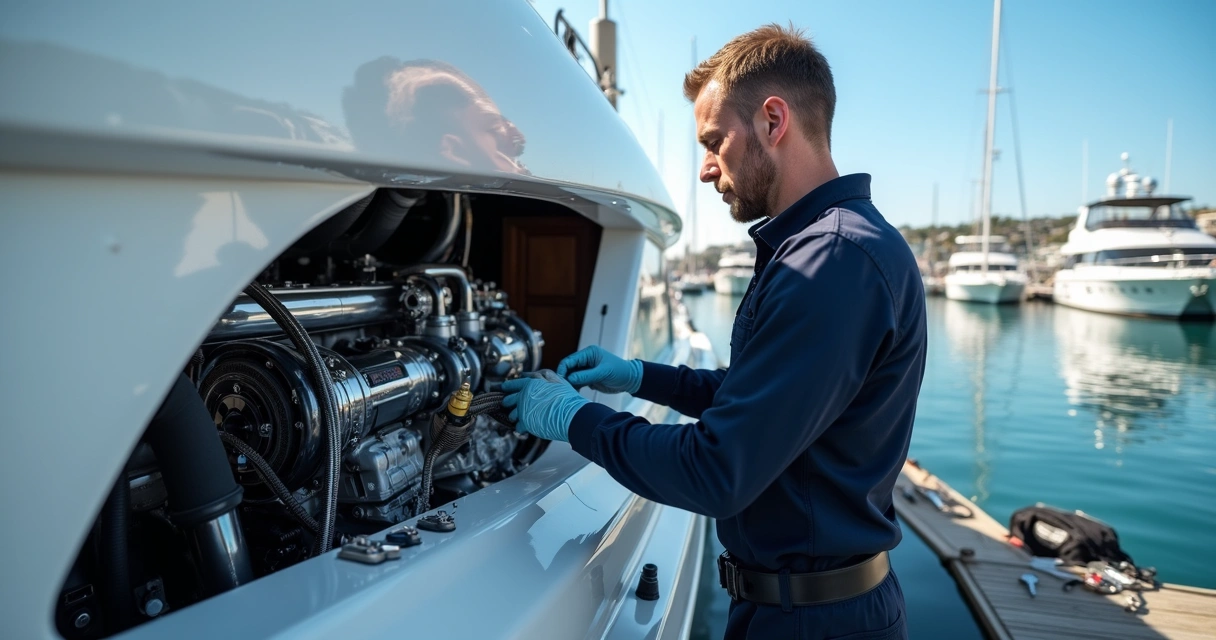
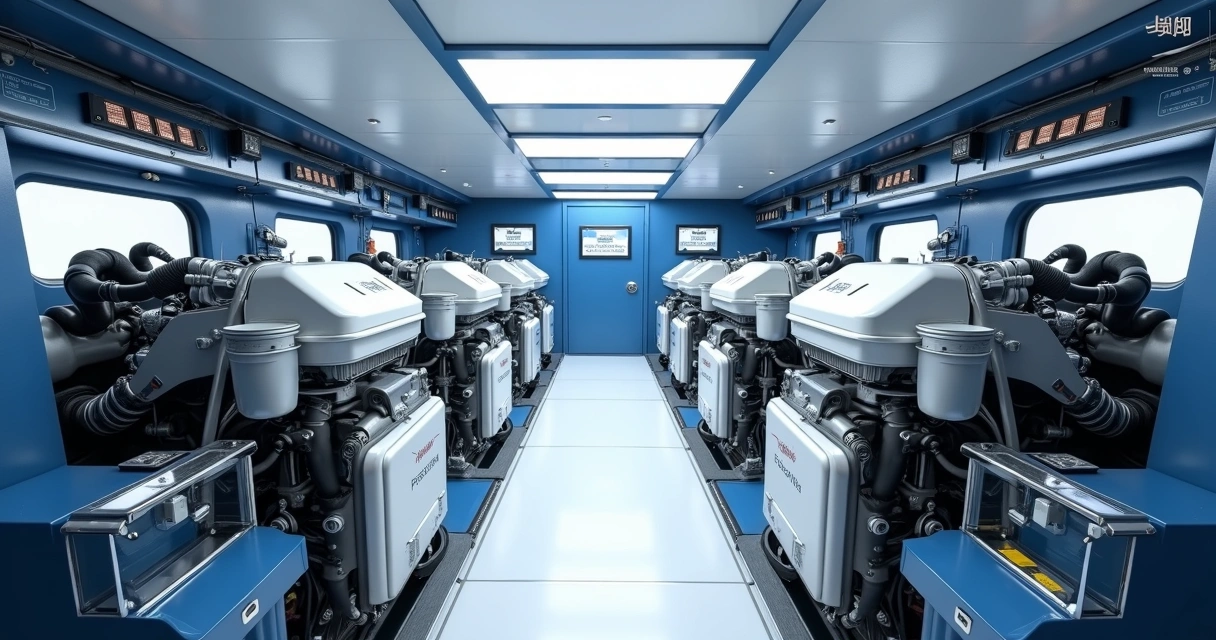
Engine and mechanical systems
Picture this: you’re far from the marina, a gentle wind in your face. The last thing you want is an engine warning light.
Engines demand respect and attention.
Performance depends heavily on clean fuel, as confirmed by studies showing that about 90% of diesel engine issues relate to contaminated fuel (BoatUS Foundation). To reduce your risk:
- Change engine oil and filters as suggested in your owner’s manual—typically every 50 to 100 hours.
- Inspect fuel filters monthly; replace if water or debris is present.
- Check coolant levels and hoses for leaks at least every season.
- Flush the raw water-cooling system regularly to prevent blockages (BoatingWorld).
- Inspect fuel lines and tanks for corrosion or leaks. Replace damaged lines immediately.
- Lubricate moving parts and grease propeller shafts to keep everything moving smoothly.
Hull, deck, and exterior finishes
First impressions matter. But it’s what you don’t see—like tiny cracks or hidden patches of algae—that can quietly cause trouble.
- Rinse the hull and deck with freshwater after every outing to reduce salt and prevent buildup.
- Clean thoroughly with boat-specific soap and soft brushes to avoid scratches.
- Wax exterior finishes every three months, as recommended by research on protecting fiberglass and paint, to maintain shine and repel water.
- Check for blisters, cracks, and worn-down anti-fouling paint twice a year.
- Inspect deck fittings, railings, and cleats for rust or loose fastenings.
You might not notice small changes week by week, but every careful wash and polish adds up over years.
Electrical and electronics
Today’s premium boats, like those crafted by Granfort, use advanced electronics for navigation, comfort, and safety. When systems fail, it’s frustrating—and sometimes risky.
Neglected wires and batteries strand more boats than rough seas ever will.
- Test batteries monthly; clean terminals and tighten connections to prevent corrosion.
- Inspect bilge pumps, anchor windlasses, and lighting circuits regularly.
- Keep moisture away from main panels and connections—use dielectric grease for extra defense.
- Update software for navigation and entertainment systems when prompted.
Plumbing and onboard systems
Comfort onboard comes down to small victories. Fresh water, clean heads, working showers. But these systems need more attention than many realize.
- Flush freshwater tanks and lines with sanitizer every few months to prevent bacteria and odors.
- Inspect hoses for brittleness and leaks, particularly after winter storage.
- Check pumps, valves, and filters for proper operation at the start and end of each season.
- Clean marine toilets with approved products. Never use harsh chemicals.
Interior care and comfort
It’s easy to focus on shiny exteriors, but the cabin is your sanctuary on the sea. Preventive care goes beyond looks—it's about comfort.
- Vacuum fabrics and carpets weekly to avoid mildew and odors.
- Wipe all surfaces with gentle, non-abrasive cleaners (E&V Yachting Americas).
- Air out fabrics and mattresses often, especially after weekend trips, to stop mold growth.

Setting a schedule: from daily checks to seasonal care
Many owners find that structure helps. Without a plan, small tasks slip through the cracks. Here’s one approach that works especially well for high-end yachts like Granfort:
- After every trip: Rinse hull, deck, and hardware; inspect lines and fenders; empty any wet gear.
- Weekly: Clean interior surfaces; check battery charge; run fresh water through heads and sinks.
- Monthly: Inspect all engine fluids; check hoses and belts; test all onboard systems.
- Every season: Polish and wax exterior; anti-foul the hull if needed; service engine and generator; replace filters.
- Annually: Deep-clean tanks; update electronics; inspect for hidden corrosion beneath deck hardware and in bilges.
Some tasks are simple enough to do alone. Others, especially for the engine or electronics, really are best left to technicians certified to handle complex systems.
Eco-friendly habits for peace of mind
Modern owners are also, generally, more aware of the environment. Granfort boats reflect that, with materials chosen for durability and sustainability. According to guidance on eco-friendly boat care, try using biodegradable cleaning products and always wash your boat on shore in a controlled space, so runoff doesn’t reach the marina waters.
Small changes—choosing a non-toxic soap, or handling oil changes with care—show respect for the seas, and for those who’ll sail them after us.
What you can expect by caring for your Granfort
Dedicated maintenance is more than protecting resale value. It’s about maximizing every moment afloat. Fault-free electronics. An engine that starts right away. Interiors that always smell fresh. Above all, it’s about the freedom to roam farther, knowing you’re ready for whatever lies beyond the channel.
Regular care turns worries into confidence.
Those who invest time in maintaining their boats, especially premium models with advanced features, soon discover the hidden luxury of peace of mind. Like a trusted compass, this habit points you toward new adventures—without hesitation.
Ready to take the next step? If you want to learn more or experience how Granfort boats combine style, safety, and reliability, connect with our team. Let us help you choose the yacht that fits your dreams—and keep it ready for a lifetime of journeys.
Frequently asked questions
What is preventive maintenance for yachts?
Preventive maintenance means regularly checking and caring for all parts of your yacht, from engines to interiors. The goal is to spot small problems before they become big ones, making sure your boat is safe, reliable, and lasts longer. With brands like Granfort, the focus is on keeping every system—mechanical, electrical, and more—working like new through routine inspections and simple habits.
How often should I service my boat?
Some tasks are done after every trip, like rinsing the hull and checking lines. Others—like engine oil changes and filter replacements—are done every 50 to 100 hours, or every season. A full checkup by a certified mechanic is recommended once a year. Each owner's manual gives the exact timing, but most owners find that a regular schedule, split between trips, monthly routines, and seasonal or yearly deep care, works very well.
What parts need regular inspection?
Regular inspection covers many parts. Key ones include:
- Engine and fuel systems (oil, filters, hoses, belts, cooling)
- Hull and deck (cracks, blisters, paint, hardware)
- Batteries and electrical wiring
- Pumps, valves, and plumbing lines
- Safety gear (life jackets, flares, fire extinguishers)
- Interiors (upholstery, carpets, ventilation)
Checking these parts stops most issues before they become unpleasant surprises on the water.
How much does maintenance usually cost?
Maintenance costs depend on your yacht’s size, systems, and how often you cruise. For a premium yacht, you might spend a few hundred dollars each year on materials and routine items. Larger or more advanced models can be more, especially if complex systems need professional service. Budgeting for regular care helps avoid far more expensive repairs down the road.
Where to find certified boat mechanics?
Look for ABYC-certified mechanics or those recognized by other national boating bodies. Many marinas provide trusted referrals. When you own a Granfort, our team can recommend specialists familiar with our boats, ensuring the right knowledge and spare parts. Always check qualifications, and don’t be afraid to ask for proof of certification or references—your yacht deserves it.