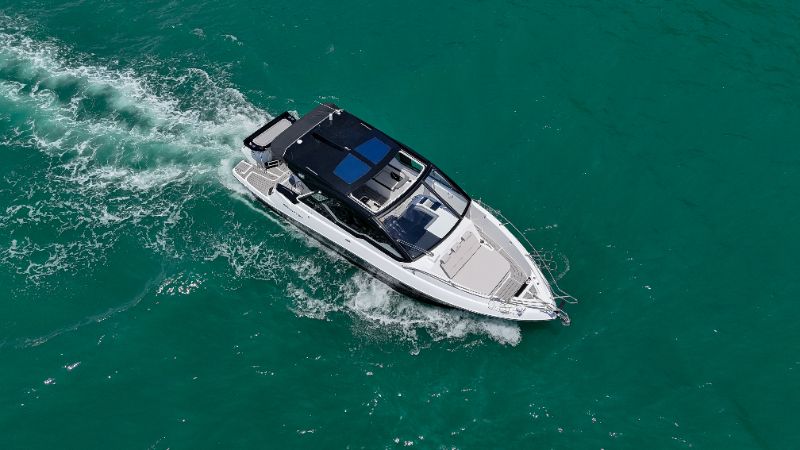
The first time you scan the horizon for your perfect boat, the thrill is unmistakable. Maybe you imagine sun-soaked weekends, slices of ocean blue stretching out before you, the gentle acceleration beneath your fingertips. But along with the excitement comes another feeling—a swirl of questions about how to make it all possible. For many, the path to a premium vessel, like those from Granfort Boats USA, runs right through the world of boat financing options. And despite the jargon, stacks of paperwork, and math-heavy terms, this path is far less intimidating when you understand how it works. Step by step. Real stories, real numbers, real possibilities.
You can secure the keys to your dream boat—without drowning in confusion.
In this article, we’ll unpack how boat loans work, what lenders look for, and why some buyers glide through approvals while others hit snags. We’ll dig into credit scores, rates, down payments, documentation, and the ways unique features—such as a 10-year structural warranty—from manufacturers like Granfort can actually tilt the odds in your favor. Along the way, we’ll pass through every stage you need to know, from exploring lenders to negotiating better loan terms. Whether you’re eyeing a 21-footer or aiming for something grander, the knowledge here turns uncertainty into clarity.
Understanding the boating market and why financing matters
With annual sales reaching billions in Florida, Texas, California, and North Carolina alone, the market for premium boats is both vibrant and evolving. Owners in the $50k-$600k range aren’t just looking for transportation—they want leisure, status, safety, and assurance that their investment will last. Upfront cash purchases, once more common, are now the exception: more buyers are embracing tailored finance options to keep their cash nimble, invest elsewhere, and stay ready for life’s curveballs. As a result, understanding your financing choices has become as important as knowing what’s under the hull.
 Granfort, for instance, saw that confidence in longer warranties and competitive pricing was a major concern among experienced boaters. By solving these pain points, they help buyers not only navigate (if you’ll pardon the pun) the ownership journey, but also make the loan process itself smoother. Qualified buyers today realize that with thoughtfully structured financing, they can access boats formerly out of reach, choose higher models, or simply keep their savings where they matter most. Now, the real question: how do you turn this potential into reality?
How boat financing works in the US
First, let’s clear up a basic misconception: getting a boat loan is not much more complicated than a car loan—if you know what to expect. That said, there are some unique twists for watercraft, especially in the premium segment, so it pays to be prepared. Here’s how the process works, step by step:
- Get pre-qualified (if possible): Many dealers and lenders allow you to apply for pre-qualification. This early approval “range” gives you confidence to shop and narrows your choices to what’s truly within reach.
- Choose your vessel: Once you know your budget, narrow in on your preferred model, length, and features. For premium buyers, structural warranties, brand reputation, and resale value weigh heavily here.
- Apply formally: You’ll be asked for personal financial details, including income, assets, and debts. This is where your credit score really begins to matter.
- Loan evaluation: Lenders weigh your credit profile, the boat’s value, and documentation such as insurance and title history. For larger loans, expect more scrutiny.
- Approval, closing, and disbursement: Approval can come within days—sometimes hours. If accepted, you’ll sign a loan agreement, make any required down payment, and the funds are disbursed to the seller or dealer.
Throughout this journey, buyers work closely with their chosen lender and dealer. For premium vessels in the $50K–$600K range, this process tends to be well-organized but requires more documentation and proof of financial stability than financing a small runabout or a jet ski. With Granfort, much of the legwork is coordinated, giving buyers a level of guidance and confidence uncommon among lesser-known brands. But any buyer can benefit from understanding the key mechanics.
The main types of loans for boat buyers
The lending landscape for boat buyers includes a few recognizable options, each with different pros, cons, and quirks. The most common categories are:
- Secured loans: These are backed by collateral—the boat itself. If you default, the lender has the right to repossess the boat. Nearly all large marine lenders and specialized finance arms use this format for vessels over $50k, according to guidance from Bankrate.
- Unsecured (personal) loans: Not tied to the boat as collateral. Typically available for smaller loan amounts and higher interest rates. Rare for premium boats unless you have stellar credit and strong income.
- Home equity loans or HELOCs: These let you borrow against your home’s equity to fund the purchase. Interest may be tax-deductible, but your property is at risk if something goes wrong. Used less often for luxury boats today, but occasionally considered for flexible situations or buyers with significant home equity.
What’s best? For premium boats, secured loans dominate. They offer lower rates and longer payment terms, some reaching 20 years for new vessels. If you have substantial home equity and a low mortgage rate, a home equity product sometimes makes sense—but boats over $300k generally see better structures through specialist marine financing. It’s not a one-size-fits-all choice. Ask questions. Weigh the total cost, risk, and apply for more than one option if you aren’t sure.
What lenders look for: credit scores, income, and more
Your credit profile remains the single biggest factor in whether you receive approval—along with what the loan will cost you in the end. Lenders today rely on complex formulas, but some simple rules almost always apply. Let’s break them down:
- Credit score (FICO or VantageScore): Most marine lenders require a minimum of 680, but higher scores unlock better rates, lower down payments, and more choices. According to Investopedia, those falling below 680 often face higher rates, larger required down payments, or even rejection.
- Income and debt-to-income (DTI) ratio: Your lender wants proof of stable income and a low DTI ratio—meaning monthly debts aren’t eating up most of your earnings. For larger loans, expect more detailed documentation.
- Liquid savings or assets: Lenders love backup. Funds to cover the down payment, ongoing operating expenses, and a cushion for emergencies all weigh in your favor.
- Stable employment and good banking relationships: If you’ve been with one employer (or owned a business) for several years, you’ll appear less risky.
Credit, of course, has shades of gray. According to guidance from Kiplinger, a score from 670-739 (FICO) and 661-780 (VantageScore) is considered “good.” Anything above 740 usually lands you the best rates and terms. Those with lower or more “interesting” profiles might still qualify but should be ready for discussion—and possibly creative solutions.
How your credit score affects your rate and approval
The difference between an “okay” credit score and an “excellent” one is more than pride—it can mean tens of thousands of dollars over the life of a loan. Let’s look at a hypothetical buyer:
- Buyer 1: Credit Score 750+ – Approved for a 20-year, $300k loan with 7.5% APR and 15% down
- Buyer 2: Credit Score 670 – Same boat, but only qualifies for 9.3% APR and a 25% down payment
Over 20 years, Buyer 1 might spend $100,000 less in interest. Subtle, but life-changing differences. If your score is close, even small improvements (paying off a credit card, fixing a missed payment) can nudge you over the threshold to better terms. Before you apply, request your credit reports, fix errors, and pay down revolving debt if you can.
Better credit almost always means bigger savings—sometimes enough to upgrade your model.
Why rates, terms, and down payments differ for boats
You might wonder why boat loan rates are higher, and terms longer, than for cars or even homes. The answer: risk. Boats, especially premium models, can depreciate fast if not cared for, and reselling repossessed boats isn’t always quick. Lenders hedge for that risk, and pass some of it—via higher rates—to buyers.
If you’re considering a Granfort model, your final rate and payment will be based on factors like:
- Loan amount (higher loans can mean stricter terms)
- New versus pre-owned (new boats secure the best rates)
- Down payment (10% is a common minimum; 20-30% is often requested for ultra-premium boats)
- Loan length or term (10, 15, sometimes up to 20 years)
- Credit score tier
Here’s a range, based on lender data and gathered industry info:
- Interest Rates: 7.5% to 11% is common for qualified buyers on large, new boats. Subprime rates go higher.
- Terms: 10-15 years for most loans. 20 years is possible for high-end, new models with trusted manufacturers.
- Down payment: 10% is entry-level but expect 15-20% for stability. That means, on a $300k model, $30,000-$60,000 upfront.
Working with lenders familiar with premium brands adds stability—many recognize the difference a well-built, warranty-backed boat makes. This builds trust, lowering rates and making approvals smoother for all sides. (Granfort’s 10-year structural warranty, for example, is often viewed as a risk reduction by lenders.) It’s one reason why focusing on quality can pay off both now and in the future.
Loan structures, payment timelines, and typical APRs
Some buyers think of loans as black-and-white—18 months, 36 months, done. Boats add more nuance. Here’s what you can expect for premium purchases between $50k and $600k:
- Payment timeline: Most lenders offer 10-15 year terms, sometimes up to 20. This long horizon keeps monthly payments reasonable. Shorter terms can save on interest, but only if your budget allows larger payments.
- Interest rate (APR): Your rate is fixed or variable. Fixed rates stay the same, variable rates may start lower but can rise with the market. For peace of mind, most buyers choose fixed, especially over long horizons.
- Monthly payment calculation: Down payment, loan amount, and term length combine to determine what hits your bank account each month. Use a boat loan calculator for a realistic preview, and factor in the possibility of insurance, taxes, and maintenance as extra expenses.
- Prepayment penalties: Some lenders charge a fee to pay off your loan early. Others allow early payments penalty-free. Always ask before you sign.
Think in terms of “total out-of-pocket”—not just the sticker price.
Loan terms are not set in stone. Buyers with experience—even just a few seasons—often negotiate better deals by knowing their leverage. For premium buyers, clear documentation, established financials, and strong negotiation skills can reduce both rate and down payment expectations.
Special considerations for buyers of premium vessels
Owning a premium boat isn’t just about a bigger loan; it opens up both unique opportunities and challenges in the finance process. Consider:
- More documentation: Lenders may require proof of insurance, advanced inspections, and even professional marine surveys for boats above certain thresholds.
- Longer closing times: High-value transactions often mean more steps—especially if the purchase involves trade-ins, out-of-state registration, or imported models.
- Resale and warranty value: Boats known for their reliability and warranty support (like Granfort) generally appraise higher and close more easily, making lenders and buyers both more comfortable.
- Insurance premiums: Premium models attract higher insurance costs, which may be required in full before closing.
- Sales tax and registration: State and local rules apply, and must be factored into your cash needs at closing. Consult your dealer or a marine tax consultant if you’re unsure.
Many buyers in the premium range ($150k+) benefit from using financial advisors or accountants to ensure that investments, retirement accounts, and cash flow are optimized. Lenders look favorably on buyers who present organized, thorough financial portfolios. The aim is to assure all parties—buyer, seller, lender—that the purchase is sustainable for years down the line.
What documentation lenders need—and how to streamline approval
This part seems tedious, but it’s where deals are made (or delayed). If you have everything lined up before you apply, approval usually comes faster—and sometimes even with better terms. Here’s what to gather:
- Proof of identity: Driver’s license, passport, or government-issued ID.
- Proof of income: Recent pay stubs, tax returns (usually 2 years), and W-2s or 1099s. For business owners, additional business tax returns or corporate filings.
- Proof of assets: Bank statements, investment account balances, property ownership paperwork.
- Liabilities: Statements for current loans, mortgages, and credit cards. Lenders look at debt-to-income ratios here.
- Purchase agreement: Bill of sale or dealer contract, including boat details (make, model, VIN/HIN, year).
- Insurance binder: Conditional approval may require proof of insurance for the boat.
To speed up the process:
- Prepare and scan all documents in advance.
- Ask your lender or dealer for a checklist.
- Double-check spelling, signatures, and notary seals (if needed).
- For imported models, coordinate with the distributor (for example, Granfort) for all compliance and certification papers.
Proactive preparation is the simplest way to prevent costly delays. Most frustrations—especially with premium loans—boil down to paperwork that’s missing, incomplete, or delivered too late.
Comparing lender offers and negotiating better terms
Picking a lender isn’t just about who says “yes.” Factors like rate, term, fees, and policies all affect the real cost of borrowing. Here’s how savvy buyers separate the best offer from the simply average ones:
- Check for prepayment penalties: Loans with no prepayment fee give you flexibility to pay off early, refinance, or sell with ease.
- Review the APR— not just the interest rate: APR includes both rate and upfront/ongoing fees, showing the “all-in” cost.
- Ask about insurance requirements: Some lenders require full insurance for the life of the loan, including specific types and coverage amounts.
- Request a payment breakdown: Ask how much is principal, how much is interest, and what happens if you add extra each month.
- Negotiate fees: Sometimes, origination or processing fees can be reduced or eliminated, especially for well-qualified buyers.
- Consider lender experience with your brand: Lenders with marine finance teams familiar with premium brands—and even Granfort specifically—may offer faster approval or better terms.
Never settle for the first approval (unless, of course, it checks every single box for you). Occasionally, lenders will budge once they see a competitive offer. Let them know when you’re considering more than one source. Sometimes, you can cut hundreds off your rate just by asking. Sounds simple, but it works.
How longer structural warranties help with financing
Sometimes, buyers overlook the way a strong structural warranty (like Granfort’s 10 years) creates leverage in the finance process. Here’s why it matters:
- Resale value: Lenders feel more comfortable if your boat will hold its value for a long time. A 10-year warranty supports higher future appraisals.
- Lower perceived risk: If something major goes wrong, structural repairs are covered. The lender is less likely to face repossession on a “problem” boat.
- Buyer peace of mind: With big investments, nerves matter. A strong warranty reduces your chance of having to pay unexpected repair bills during your loan term.
A warranty creates lasting value—in the eyes of both lenders and owners.
This is a key selling point often emphasized in premium boat guides, including resources such as Granfort’s owner resources portal. When presenting your purchase and seeking approval, reference this unique benefit. It demonstrates that you are not risking your savings on an unknown entity, and should encourage lenders to view your application more favorably.
Special tips for buyers upgrading from premium brands
If you’re stepping up from a prior experience with a top-end boat, you know that some brands are held in higher regard with lenders. Granfort entered the U.S. market with this awareness, offering ABYC/Coast Guard certifications and Italian design to assure buyers and banks alike. When upgrading:
- Showcase your ownership history: Documents showing years of safe, responsible boat ownership can improve trust.
- Highlight prior boat values and trade-ins: Lenders are reassured when buyers have made sound marine investments in the past, and cash from trade-ins may reduce required down payments.
- Ask about loyalty incentives: Some marine lenders reward repeat borrowers with better terms or expedited approval.
- Mention dealer relationships: If you already know your marine dealer or distributor (such as Granfort’s network of dealers), state that upfront. Relationships simplify paperwork and logistics.
Finally, make sure any upgrades, extras, or add-ons for your new vessel are accurately reflected in your contract. Lenders are less comfortable with big post-closing changes, so clarify every component before signing off.
Granting more value: how Granfort’s approach affects the finance journey
Introduced to U.S. shores in recent years, Granfort’s lineup—spanning from sporty bowriders to indulgent 42-foot cruisers—was designed to answer a persistent question in the market: can premium quality, distinctive design, and rock-solid warranty protection come with prices that allow more buyers into the club? It turns out the answer is yes. And from a financing perspective, these advantages ripple throughout your entire journey:
- Competitive pricing: Models are often 15-20% less expensive than other premium-category boats of similar caliber, reducing the amount you need to borrow and your overall debt load.
- Longer warranty: As we mentioned earlier, the 10-year structural warranty instantly sets Granfort models apart—lowering risk for lenders and owners alike.
- Certified craftsmanship: Full ABYC/Coast Guard certifications mean every detail meets or exceeds U.S. safety and manufacturing standards, adding confidence to every step.
- Dealer support and transparency: Clear, honest communication with the seller or distributor streamlines paperwork and reduces the chances of missteps.
Whether you’re considering a sporty 212 Bow Rider or something in the 36-42 foot category, the same advantages apply. It’s not just about qualifying for a loan—it’s about qualifying for a better ownership experience all around.
Why structured financing brings peace of mind and value
It’s tempting to think of a loan as something to “get over with”—an obstacle on the way to ownership. In truth, structured financing provides unique benefits for today’s premium boat buyer:
- Flexible cash flow: Keep savings for investment, emergencies, or upgrades. Cash is never boxed in one place.
- Risk management: Spreading costs over time makes the purchase less stressful, especially if you face unexpected life events.
- Tax opportunities: In certain cases (especially for businesses or those using boats for charter), loan interest can be deductible. Consult a financial advisor for specifics.
- Peace of mind through warranty coverage: A 10-year warranty means that major surprises are less likely—reducing the risk of big repair bills while you’re still paying off your vessel.
Financing isn’t just about affording more boat—it’s about affording more life.
At Granfort, buyers are encouraged to ask hard questions, compare all their options, and bring every part of their financial picture to the table. No matter which model you select, careful planning and smart financing strengthen every wave you ride.
Taking the next step: ready for a new journey?
You’ve spent years dreaming of open waters, smooth performance, and the perfect premium vessel waiting at the dock. Now, with clear guidance on boat financing options, you’re equipped to make those dreams not just possible, but practical, sustainable, and smart for your future.
Every buyer, whether first-timer or seasoned skipper, brings different history and hopes to the table. That’s why Granfort emphasizes personal support and transparency from the very start. When you’re ready for a closer look—or just want to talk the details through—Granfort’s welcoming showroom in Melbourne, FL, and experienced team are here to help. With more information, you’ll know exactly how to line up financing, rethink your options, and pilot your journey with confidence.
Upgrade your boating experience. Upgrade your expectations. Make your next move the most rewarding one yet.
For details on the newest lineup, guidance through your loan options, or simply to see your next boat up close, visit our official site or connect with your nearest Granfort dealer. Let premium become possible—with a little guidance, the right questions, and a team that values your confidence as much as you do.
Frequently asked questions
What are common boat loan options?
Common options for financing a boat include secured marine loans (where the boat itself is collateral) and unsecured personal loans, which might be available for smaller amounts. Some buyers also tap into their home equity through a HELOC or home equity loan. Most premium boat purchases above $50,000 rely on secured loans from marine lenders or banks, given the size and specialized nature of the asset. Financing through dealers or direct arrangement with established brands like Granfort can also be an option, streamlining paperwork and sometimes offering promotional rates.
How do I qualify for boat financing?
To qualify, lenders consider your credit score (usually 680 or higher for best terms, according to Investopedia), proof of steady income, a low debt-to-income ratio, and evidence of liquid savings for a down payment and ongoing expenses. Documentation needed typically includes tax returns, pay statements, asset summaries, and identification. Some lenders may ask for information about prior marine ownership or insurance. While requirements vary slightly, preparing more documentation than requested can speed your approval.
Where can I find the best boat loans?
The best loan for your specific needs often comes from specialized marine lenders, banks with marine divisions, credit unions in boating regions, or sometimes through your boat dealer’s finance department. Online research, such as through consumer finance sites like Bankrate, can provide a useful overview of current rates and programs. When considering options, always compare the total APR, fees, and loan structures—don’t just fixate on the lowest monthly payment. Working with a dealer or manufacturer with strong relationships in the finance world (like Granfort) can help surface additional options or special partnerships.
Is boat financing better than paying cash?
It really depends on your broader financial goals. Financing preserves your cash for investments, emergencies, or liquidity needs; it also allows you to buy a more advanced vessel than what an all-cash budget might support. Structured financing is particularly effective for buyers of premium boats, providing peace of mind when paired with robust warranties. However, if you have surplus cash you don’t need for other priorities and wish to avoid interest costs, paying cash remains a straightforward path. Each buyer’s situation will tip the scales differently.
What credit score is needed for boat financing?
Most lenders require a minimum credit score of around 680 to qualify, according to Investopedia. Higher scores (720 and up) secure the best rates, longer terms, and lower down payments. Scores in the mid-600s might still find approval, but likely with higher interest rates and larger down payment requirements. Improving your credit in advance—by reducing debt or correcting errors—can make a substantial difference in the long-term cost of your loan.