For seasoned boat owners, purchasing a premium vessel is about more than just design or horsepower. There’s a hidden layer—the after-sales net that shields you from unexpected costs. This safety net? That’s your warranty. Yet, even the savviest buyers find themselves asking which type of coverage truly matters, how exclusions might trip them up, and what actually sets the best boat warranty apart from the rest.
In this guide, we’ll look closely at what makes a premium warranty a deal-breaker—or a deal-maker. From structural versus limited warranties, to transferability, claims processes, and how these impact both ownership experience and resale value, this is what every experienced boater needs to consider.
Understanding structural vs. limited warranties
Not all warranties speak the same language. The headline period—one year, five years, ten? That’s just the starting point.
- Structural warranties: These protect the backbone of the boat—think hull, deck, stringers, and transom. A true structural coverage lasts for years, sometimes a decade or more. It addresses the “big ticket” threats to the vessel’s integrity.
- Limited or bow-to-stern warranties: These are more about everyday concerns—hardware, upholstery, electronics, minor fittings (sometimes even engines, depending on the policy). They provide shorter-term reassurance and usually last between one to five years, though the fine print is what matters most. More at Boat Trader's warranty summary.
A ten-year structural warranty is a long exhale after a stressful survey.
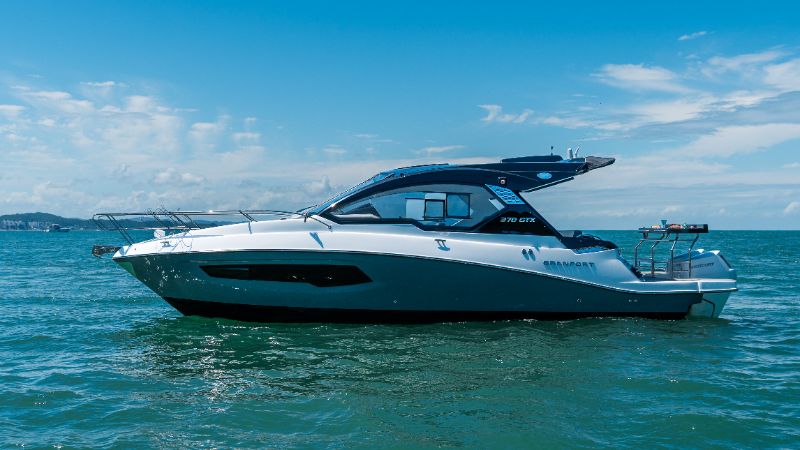
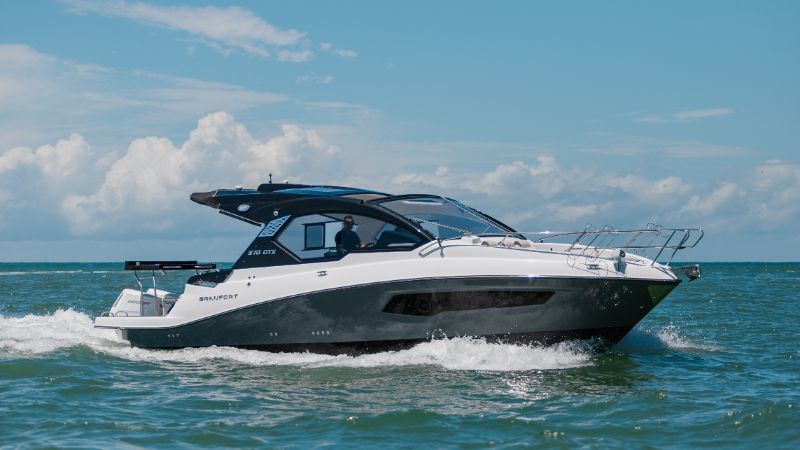
Take Granfort as an example. Their 10-year hull and deck structural guarantee stands well above industry averages, giving long-haul peace of mind to experienced boaters. This is one of those features listed on why Granfort stands out that draws attention from those comparing value for cost upfront and over time.
Reading the fine print: exclusions, claims, and small surprises
Even the most generous warranty has asterisks. You’ll want to know the boundaries before trouble hits.
- Exclusions: Warranties often skip leaks caused by rainwater, broken windows, gel coat “crazing,” bottom paint issues, and damage from corrosion. Don’t expect coverage for what’s considered normal wear. Additionally, warranty exclusions also mean corrosion of underwater metals is off the table and company mergers can sometimes leave owners without support.
- Claim process: Some brands allow for local repairs or flexible labor rates, whereas others dictate terms from afar or pay less than prevailing rates. Your real-world experience can vary a lot, so prioritize brands that have a track record of smooth, transparent claims processes.
- Pro-rated terms: Some warranties decrease in coverage value over time. That is, you may only receive partial repair or replacement cost after a given point—leaving you with a surprise bill years down the road. The summary in Boating Magazine's warranty criteria covers how labor and parts approaches differ.
Transferability: thinking beyond your own ownership
Suppose you’ll eventually upgrade or want to sell. Here’s where hull warranty transferability pays off.
Transferable coverage means more resale confidence—and often a better selling price.
- If a buyer knows they get the remainder of a long-term hull warranty (see typical marine warranty options), their risk feels lower. Boats with extended, transferable structural coverage (like the decade-long protection offered by Granfort) stand out on the secondary market.
- Transfers sometimes require paperwork or a modest fee—always check the actual process in the owner resources at Granfort's dedicated page.
- Some components (engines, electronics) may have their own policies, separate from the boat itself. Ask about each, especially with premium builds where multiple brands come together onboard.
Warranty length and brand reputation: long-term math
For a moment, ignore sticker price. Think instead:
- How many years is peace of mind worth to you?
- If something failed structurally eight years into your ownership, how would that impact your finances and enjoyment?
This is why people say the best boat warranty isn’t just about duration but security. On average, most premium brands offer structural coverage from two to five years. So, when you see options like Granfort’s 10-year hull and deck protection, it’s a chance to rethink what’s “normal.” The length of coverage is only matched in significance by the manufacturer’s reputation for honoring claims—something that Granfort's guide to boat selection advises to research thoroughly.
- Warranty quality shifts the cost equation. A longer, well-covered policy reduces out-of-pocket repairs, supports resale value, and is a marker of manufacturer confidence in the product.
- Don’t overlook brand viability. If a manufacturer is sold or goes out of business, that structural warranty may evaporate unless new owners choose to honor it (more on this risk here).
The experienced owner’s checklist for comparing boat warranties
- Read every line of the policy. Coverage periods, exclusions, and transferability matter as much as cost.
- Look at claims reputation—sometimes reviews or direct feedback tell you more than ads ever could.
- Prioritize hull and deck coverage duration, as these repairs are by far the most expensive if needed.
- Check whether warranties are pro-rated and examine any transfer terms if resale is in your plans.
- Treat reliability and warranty strength as key features—at least as much as horsepower or sleeping capacity.
Some buyers still focus mainly on upfront price or stylistic features. But those with years on the water know: a tough, long-lasting hull warranty is the difference between an investment and a gamble.
Conclusion: a smarter way to buy premium
It’s tempting to get swept up by shiny paint and gleaming chrome. Yet, for experienced owners seeking sustainable value and real protection, the most meaningful perk is often the warranty hiding in the brochure’s back pages. Pay attention to exclusions, do a deep dive into claim history, and see how long you—and any future owner—are shielded from costly surprises.
If you’re seeking a premium brand experience and a decade of hull and deck protection, there are few offerings quite like those by Granfort. Their Italian design, collaboration with Porsche Consulting, and extended guarantees are a strong answer to the typical trade-offs in the premium boat space. Want to ask more in person or see how a 10-year coverage feels in real life? Stop by the Melbourne, FL showroom, visit our contact page for more info, or see how our owner community makes the difference. For dealers wanting something new for their portfolio, start by checking out opportunities to become a Granfort dealer.
Frequently asked questions
What does a boat warranty cover?
Boat warranties often come in different forms. Most commonly, there are structural (covering the hull, deck, transom) and limited or bow-to-stern policies. A good warranty can protect against manufacturing defects and material failures in these key areas. There are also coverages for specific systems like engines or electronics, sometimes offered separately. Bow-to-stern policies typically last up to five years and exclude things like general wear, rain leaks, or corrosion (details at Boat Trader).
How do I choose the right warranty?
Start by focusing on the term and what’s actually covered. Longer hull and deck protection is better for resale and owner peace of mind. Pay special attention to exclusions and pro-rated clauses—sometimes coverage drops off after a few years. If you see a transferable hull warranty of ten years or more, like Granfort’s, it is a strong advantage. Always read reviews or ask fellow owners about support and claim experiences.
Are extended boat warranties worth it?
They can be, depending on your ownership style and how long you plan to keep the boat. Extended warranties give added security against expensive repairs past the basic manufacturer’s policy. This becomes much more valuable for premium boats where even one major structural fix could cost many thousands. Transferable ones will also help with resale. Just make sure the terms are clear and the provider has stable business history (see marine warranty advice at Yatco).
Where can I buy the best boat warranty?
High-value warranties are usually available with premium manufacturers at the time of purchase. Dealerships will outline what’s included in the new vessel package. Some brands, like Granfort, stand out for their 10-year hull and deck guarantee. If you’re looking for more information, explore Granfort’s guide to choosing a boat or talk directly with their team via the contact resources.
How much do boat warranties cost?
There isn’t a single answer, as price depends on size, complexity, coverage length, and of course, the brand. In most cases, a new premium boat will include basic coverage in the purchase price. Extended or upgraded plans as add-ons can be several thousand dollars. Remember, a longer and more comprehensive structural guarantee, even if it looks like a higher upfront cost, can save significantly in repairs and add value at resale (see warranty cost analysis by BoatUS).